AI Agents
Apr 2, 2026
AI Chatbot Guide for Businesses: When You Need One and When You Don't
Not every business needs a chatbot. But when applied in the right scenario, an AI chatbot can boost customer satisfaction while significantly reducing operational costs. So is a chatbot the right investment for your business?
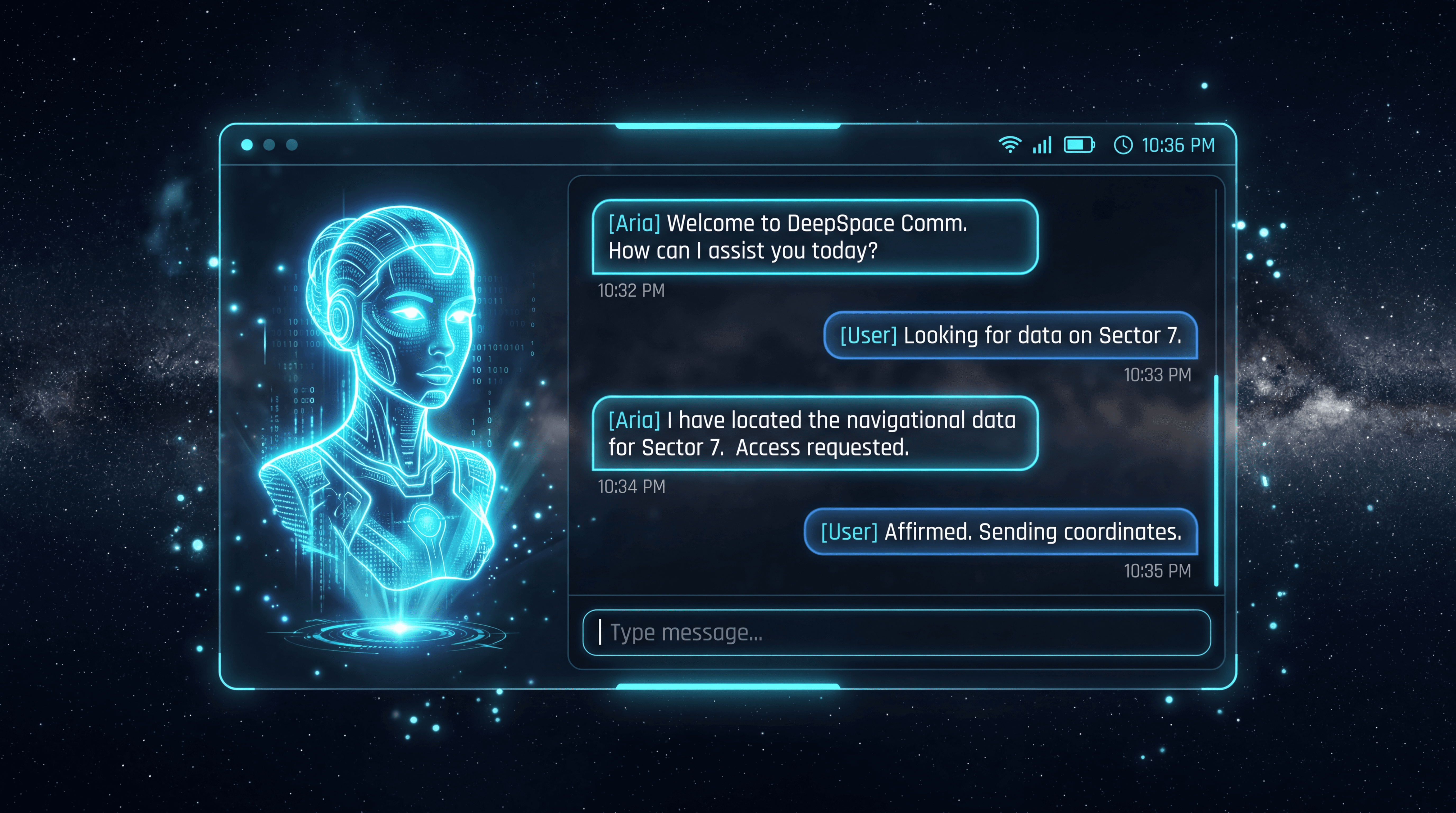
Not every business needs a chatbot. But when applied in the right scenario, an AI chatbot can boost customer satisfaction while significantly reducing operational costs. So is a chatbot the right investment for your business?
## When Chatbots Actually Work
If you receive more than 50 repetitive customer inquiries daily, a chatbot can handle the bulk of that volume. Frequently asked questions typically involve shipping tracking, pricing, return policies, or business hours. An AI chatbot can answer these instantly and consistently.
If your support team cannot serve customers outside business hours, a chatbot provides 24/7 availability. This is especially critical for e-commerce businesses looking to prevent customer drop-off during night hours.
## When Chatbots Fall Short
In situations requiring complex technical support where every case is unique, a chatbot alone will not suffice. However, even here a chatbot can serve as the first point of contact, categorizing the issue and routing it to the right team member.
## Modern AI Chatbot vs. Legacy Rule-Based Chatbot
Old-generation chatbots operated on predefined rules — when users deviated from expected patterns, the system broke down. Modern AI chatbots use natural language processing to understand customer intent.
Chatbots equipped with RAG (Retrieval-Augmented Generation) technology can pull accurate information from your company's documents, product catalogs, and knowledge base. This means the chatbot is armed with knowledge specific to your business.
## Cost and ROI
The setup cost of an AI chatbot can be equivalent to 2-3 months of a full-time support agent's salary. But the chatbot works 24/7, delivers consistent responses, and can handle hundreds of customers simultaneously.
On average, a well-designed chatbot can resolve 60-70 percent of customer support requests without human intervention.
## How to Get Started
The first step is analyzing your existing customer support data. What are the most frequently asked questions? Where do customers wait the longest? This analysis determines the chatbot's scope and priorities. We start this process with a discovery call.